
The Ultimate Guide to Newcastle Suburbs for Property Investors
The right Newcastle suburb depends on your budget, investment strategy, preferred property type and the type of tenant you want your property to appeal to. This guide explores some of Newcastle's key suburbs and precincts, what makes them different and what property investors should consider before buying.
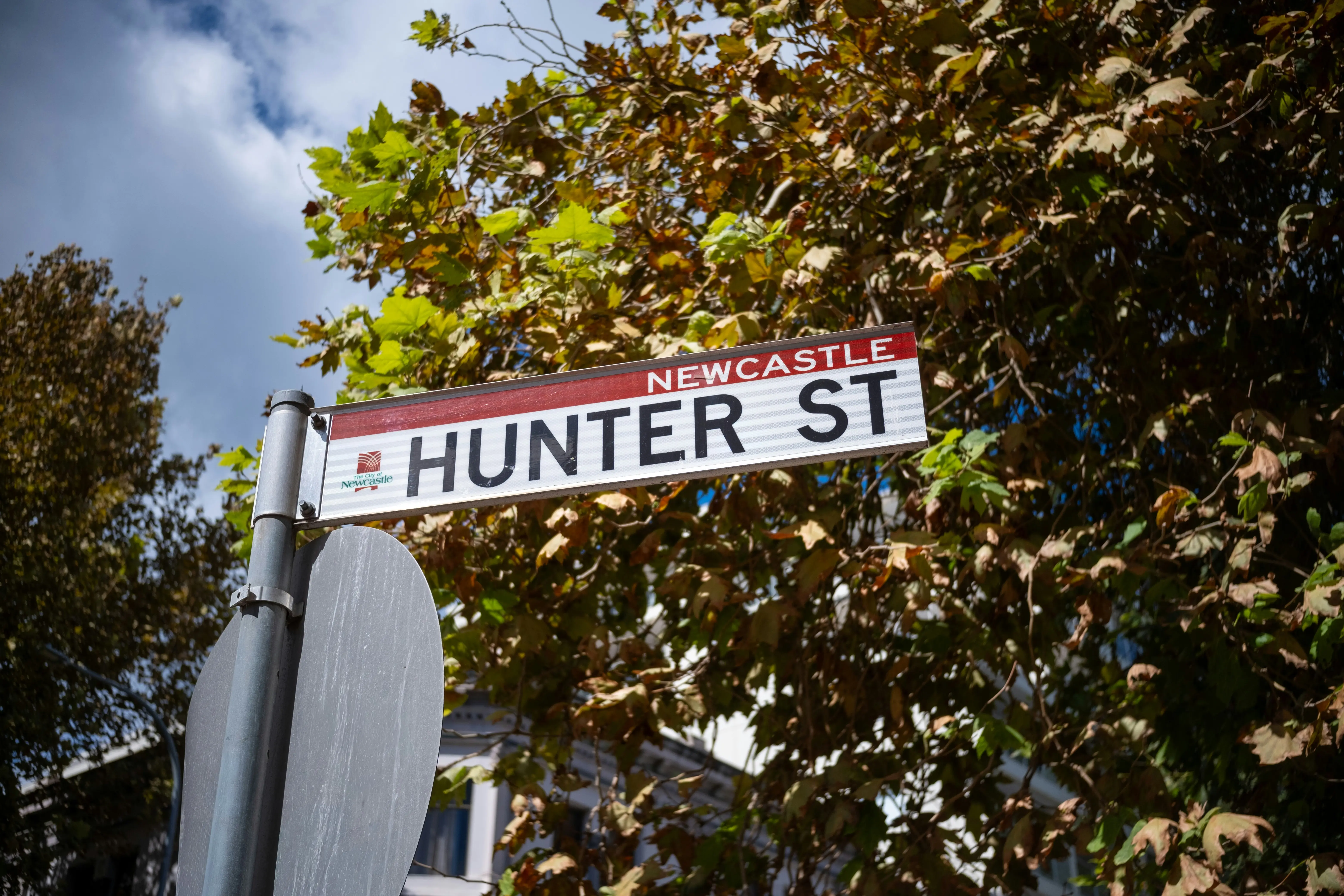
Newcastle has changed considerably over the past decade.
Once viewed primarily as an industrial city, Newcastle is now a diverse regional economy with established employment, major health and education infrastructure, beaches, transport connections, growing inner-city precincts and a rental market serving everyone from students and young professionals to families and downsizers.
For property investors, that diversity is important.
There is no single best suburb to invest in Newcastle. A two-bedroom apartment near the city centre serves a very different rental market from a family home in New Lambton, a terrace in Cooks Hill or a newer property in Fletcher.
The right Newcastle suburb depends on your budget, investment strategy, preferred property type and the type of tenant you want your property to appeal to.
This guide explores some of Newcastle’s key suburbs and precincts, what makes them different and what property investors should consider before buying.
Why Property Investors Are Looking At Newcastle
Newcastle combines many of the characteristics investors traditionally look for in a major property market: population growth, diverse employment, infrastructure investment, education, healthcare, lifestyle amenity and an established rental population.
City of Newcastle’s long-term housing strategy projects the local government area’s population to grow to approximately 202,000 people by 2041, around 41,000 more than in 2016.
The city is also becoming denser. City of Newcastle reports that around 33% of dwellings are already medium or high-density housing, reflecting the increasing diversity of Newcastle’s housing market.
Major investment is continuing across the city. City of Newcastle’s adopted 2026/27 Budget includes more than $128 million for infrastructure projects, while major state and private projects continue around the city centre, Broadmeadow and transport corridors.
The final stage of the Honeysuckle redevelopment is also expected to deliver approximately 1,000 new homes alongside hospitality, employment, cultural and public spaces on Newcastle Harbour.
For property investors, however, city-wide growth only tells part of the story.
Newcastle is a collection of distinct local markets.
Newcastle Property Market At A Glance
Some of the broader factors shaping Newcastle’s property market include:
- A growing population and continued demand for additional housing
- Major employment in healthcare, education, professional services, construction and other industries
- The University of Newcastle and associated student population
- John Hunter Hospital and the broader health precinct
- Newcastle CBD and Honeysuckle employment
- Established rail, light rail and bus connections
- Continued investment in urban renewal
- Strong lifestyle appeal, particularly around the coastline and inner suburbs
- A mixture of apartments, terraces, traditional cottages, suburban homes and new development
- Rental demand from students, professionals, families, healthcare workers and downsizers
Newcastle itself also demonstrates why investors need to look beyond headline house prices.
For the 12 months to July 2026, realestate.com.au reported a median house price of approximately $1.55 million for the Newcastle suburb and a median unit price of approximately $997,500, while reported gross rental yields were around 3.0% for houses and 4.1% for units. These figures relate specifically to the Newcastle 2300 suburb rather than the wider Newcastle market.
Source: realestate.com.au Newcastle suburb profile, August 2025 to July 2026.
It is a useful reminder that purchase price, rent, yield and property type can vary significantly even within a relatively small geographical area.
How To Compare Newcastle Suburbs As A Property Investor
Before choosing a suburb, it helps to establish what you actually want the investment to achieve.
Rather than asking only, “Which Newcastle suburb is going to grow the most?”, consider several factors together.
Rental Demand
Who is likely to rent the property?
Depending on the location, this could include:
- Families
- University students
- Healthcare workers
- Young professionals
- Couples
- Single-person households
- Retirees and downsizers
- People relocating to Newcastle
- Short and medium-term corporate tenants
The property itself should make sense for the local tenant market.
Property Type
A great suburb does not automatically make every property within that suburb a great investment.
Consider the demand for:
- Detached houses
- Townhouses
- Villas
- Apartments
- Terraces
- Duplexes
- Larger family homes
- Smaller one and two-bedroom properties
The maintenance requirements, strata costs, age and condition of the property can also materially change the economics of an investment.
Entry Price
Newcastle contains both premium and comparatively accessible markets.
Coastal suburbs such as Merewether and Bar Beach generally require a very different budget from suburbs such as Wallsend, Shortland or Birmingham Gardens.
A lower entry price should not automatically be interpreted as better value, just as a premium suburb does not automatically represent a better investment.
Rental Return
Investors should consider the relationship between the likely rent and the overall cost of owning the property.
That includes more than the headline purchase price.
Factor in potential:
- Property management costs
- Council rates
- Strata fees
- Insurance
- Maintenance
- Repairs
- Land tax where applicable
- Vacancy
- Compliance costs
- Finance costs
Gross rental yield can be useful for comparing properties, but it does not represent your actual return after expenses.
Future Supply
New development can be positive for a suburb, bringing new infrastructure, businesses and residents. It can also increase the amount of competing rental stock. This is particularly relevant when assessing apartment-heavy precincts where large numbers of similar properties may enter the market.
Transport And Employment
Proximity to employment and transport continues to shape housing strategy across Newcastle.
Hamilton, Adamstown, Kotara and the area surrounding Newcastle Interchange are among the locations being considered as part of transport-oriented housing reforms designed to accommodate additional housing near major transport infrastructure. Broadmeadow is also undergoing significant long-term planning, with the Broadmeadow Place Strategy designed to support additional housing, employment and the evolution of the area’s sports and entertainment precinct over coming decades. These changes do not guarantee investment performance, but they are important pieces of the long-term property picture.
Newcastle Suburbs For Property Investors
Rather than ranking Newcastle suburbs from first to last, it is more useful to group them according to their characteristics.
Newcastle’s Coastal And Premium Inner Suburbs
Newcastle’s coastline is one of the city’s strongest lifestyle advantages.
These suburbs typically attract strong owner-occupier interest as well as tenants wanting proximity to beaches, hospitality, employment and the CBD.
Merewether
Merewether is one of Newcastle’s best-known residential suburbs, combining beach access with established housing, schools, cafes and relatively easy access to the city.
Its housing ranges from older cottages and renovated family homes to townhouses, apartments and premium residences. For investors, Merewether’s appeal is largely driven by lifestyle and scarcity. It can attract professionals, families and tenants willing to pay a premium to live close to the coast. The trade-off is a higher entry price, which means investors need to carefully assess the relationship between purchase price and achievable rent.
Investor considerations:
- Premium entry price
- Strong lifestyle appeal
- Diverse housing stock
- Family and professional tenant markets
- Older properties may require additional maintenance
- Significant differences in value depending on position, views and proximity to the beach
The Junction
The Junction sits between Newcastle’s coastal suburbs and established inner residential areas.
Its village centre, schools, shops, hospitality and proximity to Merewether, Bar Beach and the city make it attractive to both families and professionals. For investors, The Junction can provide access to a high-amenity inner-city market without being dominated by high-density development. Housing supply is relatively constrained, however, and entry prices can reflect the suburb’s popularity.
Bar Beach
Bar Beach is a tightly held coastal suburb close to Newcastle CBD, Darby Street and several of the city’s beaches.
It is generally a premium market where location and lifestyle drive demand. Investors considering Bar Beach should pay particular attention to individual property characteristics because there can be substantial differences between apartments, older homes and premium residences. It may suit investors prioritising location and long-term ownership over maximising initial rental yield.
Cooks Hill
Cooks Hill offers one of Newcastle’s most recognisable inner-city lifestyles.
Darby Street, restaurants, cafes, galleries, the city centre and beaches are all within relatively easy reach. The suburb contains terraces, cottages, apartments and renovated homes, creating opportunities across several property types. Its walkability can appeal strongly to professionals, couples and tenants who value being close to the city without living directly in the CBD. Investors should consider heritage restrictions, parking and the maintenance requirements associated with older housing stock.
Newcastle East
Newcastle East occupies a unique position between the CBD, harbour and coastline.
Its mix of heritage properties, apartments and premium residences creates a highly distinctive market. The suburb has considerable lifestyle appeal but relatively limited property supply. Investors buying here are generally entering a premium market where individual property selection becomes particularly important.
Newcastle CBD And Inner-City Investment Areas
Newcastle’s city centre has evolved significantly through the redevelopment of Honeysuckle, light rail, new apartments, hospitality and commercial investment.
For investors, inner-city Newcastle offers access to a tenant market that can differ considerably from traditional suburban areas.
Newcastle
The Newcastle 2300 postcode contains a substantial apartment market alongside terraces and other established properties. It appeals to professionals, couples, downsizers and people who want proximity to the harbour, beaches, restaurants, universities and employment. Apartment investors should assess the individual building carefully rather than relying solely on suburb-level data.
Consider:
- Strata levies
- Sinking fund position
- Building age
- Defects
- Parking
- Views and aspect
- Apartment size
- Number of similar apartments within the complex
- Future nearby development
The current Newcastle market illustrates the difference property type can make. Units have recently recorded higher reported gross rental yields than houses within the suburb, although past performance does not predict future returns.
Wickham
Wickham has undergone substantial redevelopment and sits immediately west of the CBD and Honeysuckle.
The Newcastle Interchange has strengthened the suburb’s position as a major transport connection, while new apartment developments have significantly changed its housing profile. Wickham may appeal to investors looking for inner-city apartments and professional tenant demand. The amount of newer apartment stock means investors should closely compare buildings, strata structures and competing rental supply.
Maryville
Maryville combines an inner-city position with a more residential feel. Its proximity to Islington, Wickham, the harbour and Newcastle CBD has helped make it increasingly attractive to professionals and households wanting access to the city. Housing includes cottages, renovated houses, townhouses and newer developments. For investors, Maryville can offer an alternative to apartment-heavy inner-city precincts.
Carrington
Located on the harbour, Carrington has a distinctive village character despite sitting only a short distance from central Newcastle. Traditional cottages make up much of the suburb’s residential identity. Its proximity to the CBD and relative separation from surrounding suburbs can appeal to tenants seeking character and accessibility. Investors considering older properties should investigate building condition, flood exposure where relevant and ongoing maintenance requirements.
Islington
Islington sits between Hamilton, Tighes Hill and Newcastle’s inner-city precincts.
It offers good access to Beaumont Street, transport and the CBD and contains a mixture of traditional cottages, renovated homes and some higher-density housing. Its central position may appeal particularly to younger professionals and couples. As with many older Newcastle suburbs, the individual condition of the property deserves careful attention.
Established Family Suburbs
For investors seeking family-oriented rental markets, Newcastle has several established suburbs built around schools, parks, shopping and larger homes.
New Lambton
New Lambton is one of Newcastle’s most established family suburbs. It offers access to schools, parks, local shops, major roads and nearby employment including the John Hunter Hospital precinct.
Housing is predominantly detached, although there are townhouses, villas and other forms of medium-density housing throughout the area. Demand can come from families and healthcare professionals as well as long-term local renters. Entry prices reflect the suburb’s established reputation, so investors should balance acquisition cost against expected rental income and long-term strategy.
Lambton
Neighbouring Lambton offers many of the characteristics investors associate with established family suburbs, including traditional homes, local shops, schools and recreational facilities. Its central location provides relatively convenient access to the university, hospital and city. The variety of housing means investors can encounter everything from renovation projects to updated family homes. That diversity makes property-level due diligence particularly important.
Adamstown
Adamstown’s location between the city, beaches, major roads and Kotara makes it an interesting middle-ground suburb. It attracts families, couples and professionals and contains houses, villas, townhouses and apartments. Planning around Adamstown railway station is also considering how additional housing could be accommodated close to transport. Investors should distinguish between the different pockets of Adamstown and Adamstown Heights, as property type and surrounding amenity can vary.
Hamilton South
Hamilton South is an established residential suburb positioned between Hamilton, Broadmeadow and Newcastle’s coastal areas. Larger homes and established streets make it particularly attractive to families. It sits close to schools, sporting facilities, Beaumont Street and the city. For investors, the higher price of established family homes means property selection and rental expectations need to be assessed carefully.
Kotara
Kotara provides access to major retail, transport, schools and nearby employment.
Its larger suburban housing profile can suit families seeking space while remaining within convenient reach of central Newcastle. Kotara railway station is also one of the locations connected with current transport-oriented development planning. For investors, future density and development are worth monitoring alongside the established family housing market.
Inner-West And Emerging Newcastle Suburbs
Investors looking outside Newcastle’s premium coastal and inner-city markets often consider suburbs further west and north-west. These areas can provide different entry points into the Newcastle property market.
Mayfield
Mayfield has undergone substantial change over recent decades.
Its relatively central location, access to shops and transport, proximity to Tighes Hill and Newcastle CBD and substantial stock of traditional houses have attracted both investors and owner-occupiers. Mayfield is not one uniform market. Property characteristics can vary significantly between Mayfield, Mayfield East, Mayfield West and Mayfield North, and investors should assess each location individually. Older cottages can offer character but may also carry higher maintenance requirements.
Waratah
Waratah benefits from proximity to the University of Newcastle, hospitals, shopping, schools and public transport. Its tenant market can include students, healthcare workers, couples and families depending on the property. Investors should be careful not to assume that proximity to the university automatically makes every property suitable for student accommodation. Configuration, transport, parking, local demand and management requirements all matter.
Georgetown
Georgetown is a small residential suburb positioned between Waratah, Hamilton North and Mayfield. Its relatively central position provides convenient access to several major employment and retail areas. Much of its appeal comes from being residential while still close to the inner city. Limited suburb size can mean fewer properties are available at any given time.
Tighes Hill
Tighes Hill sits close to the harbour, Islington and Newcastle CBD and has progressively developed a strong inner-city residential character. Traditional cottages and renovated homes are common, while its location can appeal to professionals wanting proximity to the city. As values rise in inner suburbs, investors should carefully compare expected rent against purchase price rather than assuming location alone will produce an attractive return.
Newcastle’s More Accessible Investment Areas
For investors with a lower acquisition budget than is typically required in Newcastle’s coastal suburbs, several western areas may warrant investigation.
“More affordable”, however, should never be confused with “automatically better investment”.
Wallsend
Wallsend is a major residential centre in Newcastle’s western suburbs.
It has established shops, schools, services and transport connections and generally offers a broader range of purchase prices than many inner Newcastle suburbs. The suburb also continues to attract first-home buyers. NSW Government figures published in early 2026 showed Wallsend recorded the highest number of first-home purchases supported through the state’s assistance program across the Hunter, Newcastle and Lake Macquarie region. That owner-occupier demand is one factor investors may consider alongside rental demand. Wallsend contains a wide variety of property types and locations, so investors should assess individual streets rather than relying solely on suburb averages.
Jesmond
Jesmond‘s proximity to the University of Newcastle is one of its defining investment characteristics. The suburb includes shopping, transport and a mixture of houses, townhouses, units and accommodation serving students and other renters. Student-oriented property can operate differently from conventional family rentals.
Investors should consider:
- Bedroom configuration
- Parking
- Public transport
- Walking distance to university
- Turnover
- Furnishing requirements
- Maintenance
- Management intensity
- Current planning and accommodation regulations
A higher theoretical room-by-room rental return does not necessarily mean a property will deliver a stronger net result.
Shortland
Shortland sits near the University of Newcastle and Hunter Wetlands and contains predominantly established residential housing. It can appeal to students, university employees, couples and families depending on the property. Entry prices may be more accessible than inner-city locations, but investors should still assess local rental demand and property-specific risks carefully.
Birmingham Gardens
Birmingham Gardens is closely associated with the university precinct and has historically attracted student accommodation investment. Its tenant profile can therefore differ substantially from family-oriented suburbs such as New Lambton. An investor considering this area should understand the operational realities of managing student accommodation rather than relying solely on advertised rental figures.
Newcastle’s Western Growth Areas
Newcastle’s western suburbs provide another distinct part of the investment market.
Fletcher
Fletcher contains a greater proportion of newer housing than many of Newcastle’s traditional inner suburbs. Modern family homes, estates and larger properties make the area particularly relevant to family renters. For investors, newer construction may reduce some immediate maintenance concerns associated with century-old Newcastle homes, although every property still requires appropriate due diligence. The trade-off can be greater similarity between properties and continued nearby housing supply.
Maryland
Maryland is another established western family area offering schools, parks and access to Newcastle’s western transport corridors. It predominantly attracts a suburban family market rather than the inner-city professional or student markets found closer to the CBD. Investors considering Maryland should look closely at family-friendly features including bedrooms, outdoor space, parking and proximity to schools and services.
Elermore Vale
Elermore Vale sits between Newcastle’s established suburbs and western growth areas. Its housing is predominantly suburban and can appeal to families seeking access to schools, shops and major employment areas without living in the inner city. For investors, it represents another example of why the Newcastle market should not be treated as one homogeneous rental market.
Broadmeadow: A Suburb Worth Watching
Broadmeadow deserves separate consideration because of the scale of planning proposed for the precinct.
The NSW Government and City of Newcastle have developed a long-term strategy intended to transform Broadmeadow with additional housing, jobs, transport connections and an expanded sports and entertainment precinct. This makes Broadmeadow strategically interesting, but investors should distinguish between future planning and outcomes that have already occurred. Large-scale urban renewal can take decades. Property decisions should still make sense based on today’s purchase price, rental market and property fundamentals rather than relying entirely on potential future redevelopment.
Houses Or Apartments: What Works In Newcastle?
One of the biggest decisions for Newcastle investors is whether to buy a house, townhouse or apartment.
Houses
Detached homes may provide:
- Land ownership
- Appeal to families
- Greater control over improvements
- Potential renovation opportunities
- Less exposure to strata costs
They may also involve:
- Higher purchase prices in desirable suburbs
- Greater maintenance responsibility
- Older building stock
- Lower gross yields in some premium locations
Apartments
Apartments can provide:
- Lower entry prices than detached homes in some suburbs
- Strong appeal to professionals and smaller households
- Access to inner-city locations
- Reduced responsibility for some external maintenance
However, investors need to investigate:
- Strata levies
- Special levies
- Building defects
- Sinking funds
- Insurance
- Owners corporation records
- Competing apartment supply
- Parking
- Building amenities
- Short-term letting rules where relevant
The suburb is only half the investment decision. The building and individual property can be just as important.
What Tenants Look For In Newcastle
Rental demand varies by area, but there are recurring factors that can make a property more attractive to prospective tenants.
These include:
Parking
Parking can be particularly important in older inner Newcastle suburbs where off-street spaces are limited.
Air Conditioning
Newcastle’s climate means effective cooling can materially improve tenant appeal.
Outdoor Space
Families may place significant value on secure yards, balconies or usable outdoor areas.
Storage
Storage is particularly important in apartments and smaller properties.
Transport
Properties close to train stations, light rail, major bus routes and employment areas may appeal to renters who want to reduce reliance on a car.
Pet-Friendly Properties
Where appropriate and consistent with NSW tenancy requirements, properties suitable for renters with pets can appeal to a broader tenant market.
Home Office Space
Flexible and hybrid work have increased the usefulness of an additional bedroom, study or dedicated work area for many professional renters.
Due Diligence Before Buying An Investment Property In Newcastle
A suburb guide should never replace property-level due diligence.
Before purchasing, investors may need to investigate:
- Building and pest reports
- Flood and drainage risks
- Bushfire risks where relevant
- Mine subsidence considerations
- Heritage controls
- Zoning
- Development proposals
- Strata records
- Building defects
- Proposed special levies
- Easements
- Property condition
- Likely maintenance requirements
- Rental appraisal
- Comparable rental properties
- Vacancy conditions
- Insurance availability and cost
Newcastle contains housing built across many different eras, from nineteenth-century terraces to new apartment towers. Two properties located a few streets apart can therefore present completely different ownership considerations.
Why Local Property Management Matters
Buying the property is only the beginning. The performance of a rental property is also influenced by what happens after settlement. An experienced local property manager can help owners navigate:
- Preparing the property for lease
- Rental pricing
- Advertising
- Tenant applications
- Tenancy agreements
- Routine inspections
- Maintenance
- Repairs
- Rent reviews
- Compliance
- Tenant communication
- End-of-tenancy processes
- Local rental market conditions
Working with property managers in Newcastle who understand the differences between individual suburbs can also provide valuable context. The tenant market for a Newcastle CBD apartment, for example, may be considerably different from a family home in Fletcher or a property close to the University of Newcastle.
At Leah Jay, property management is our core business. Our team works across Newcastle’s diverse property markets, helping owners understand their property, their local rental market and the decisions involved throughout the life of an investment.
Explore Newcastle By Suburb
Property investment is ultimately local. Explore our individual Newcastle suburb guides for a closer look at local housing, lifestyle, amenities, rental considerations and the characteristics that shape each area. Whether you’re researching an established coastal suburb, an inner-city location or Newcastle’s growing western areas, understanding the local market is an important step before making an investment decision.
Frequently Asked Questions About Investing In Newcastle Suburbs
What Are The Best Suburbs To Invest In Newcastle?
There is no single Newcastle suburb that is objectively the best investment.
The right suburb depends on your budget, property type, desired tenant market, expected rental return and long-term investment strategy. Premium suburbs such as Merewether may appeal to investors seeking scarce coastal locations, while suburbs such as Wallsend may provide a different entry price and rental profile. Inner-city areas, family suburbs and university precincts all behave differently.
Comparing the underlying property fundamentals is more useful than relying on a generic list of “top investment suburbs”.
Is Newcastle A Good Place For Property Investment?
Newcastle has many characteristics that attract property investors, including population growth, significant employment, healthcare and education infrastructure, established transport and ongoing urban investment. However, these factors do not mean every Newcastle property will perform well. Purchase price, rental demand, property condition, holding costs and individual location should all form part of the decision.
What Are The Most Affordable Newcastle Suburbs For Investors?
Western and university-adjacent suburbs such as Wallsend, Shortland, Jesmond and Birmingham Gardens can offer different entry points from Newcastle’s coastal and premium inner suburbs. Property prices change over time, however, so investors should compare current listings and recent sales rather than relying on historical perceptions of affordability.
Which Newcastle Suburbs Are Popular With Families?
Established areas such as New Lambton, Lambton, Adamstown, Hamilton South, Kotara, Fletcher and Maryland can appeal to family renters because of their housing stock, schools, parks and access to services. The suitability of an individual property will still depend on its size, condition, parking, outdoor space and location within the suburb.
Which Newcastle Suburbs Are Close To The University?
Jesmond, Birmingham Gardens, Shortland, Waratah and surrounding suburbs provide relatively convenient access to the University of Newcastle’s Callaghan campus. Properties targeting students should be assessed differently from conventional residential investments because tenancy patterns, management requirements and property configurations can differ.
Is It Better To Buy A House Or Unit In Newcastle?
Neither property type is automatically better. Houses may provide land and family appeal, while units can provide access to high-amenity inner-city locations at a different purchase price. Investors should compare expected rent, purchase cost, strata fees, maintenance, tenant demand and future supply before deciding.
Which Newcastle Suburbs Have The Best Rental Yield?
Rental yields change with both purchase prices and rents, which means suburb rankings can change quickly. Rather than selecting a suburb solely because it currently reports a high gross yield, investors should calculate the likely net return after management fees, rates, insurance, strata, maintenance, vacancy and other expenses.
Should I Invest Close To Newcastle CBD?
The CBD and surrounding suburbs can appeal to professionals, couples and renters who value transport, hospitality and proximity to employment. However, investors considering apartments should carefully investigate strata, building quality and future competing supply.
How Important Is A Rental Appraisal Before Buying?
A current rental appraisal can help an investor understand what a particular property may reasonably achieve in the current market. It can also provide insight into the likely tenant market and features that may affect demand. A rental appraisal should be based on comparable local properties rather than suburb-wide averages alone.
Can Leah Jay Help Before I Buy An Investment Property?
Speaking with a property management team before purchasing can provide useful local rental context. Leah Jay’s Newcastle team can help prospective and existing property owners understand local rental conditions, likely tenant demand and property management considerations. This can form one part of your broader due diligence alongside independent financial, legal, building and property advice.
Looking For Property Management In Newcastle?
Newcastle isn’t one property market. It is a collection of coastal, inner-city, suburban and growth areas, each with its own housing, tenants and investment considerations.
Understanding those differences can help you make a more informed property decision and manage your investment appropriately once it becomes a rental.
If you own an investment property, are considering purchasing in Newcastle or want a clearer picture of the local rental market, speak with Leah Jay’s Newcastle property management team.We can help you understand the rental potential of your property and what professional management could look like from day one.
This article provides general information only and should not be considered financial, taxation, investment or legal advice. Property market conditions can change. Investors should seek appropriate independent advice and conduct their own due diligence before purchasing property.
Get In Touch to Find Out How We Can Help You
Looking for clarity on your investment strategy or current property performance? Reach out today and speak to a property management specialist who gets it.