
Cardiff Suburb Guide
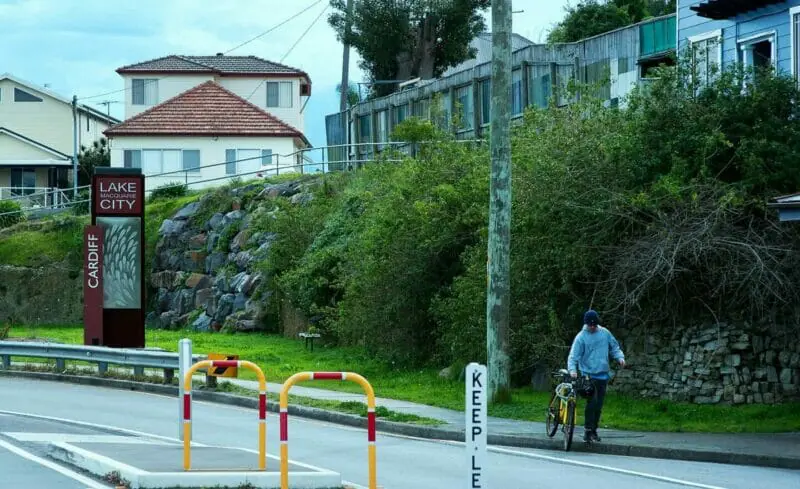
Cardiff is an established Lake Macquarie suburb sitting between Glendale, Cardiff South, Cardiff Heights, Macquarie Hills, Garden Suburb, Hillsborough and Edgeworth.
It is a practical suburb more than a showy one. Cardiff has local shops, schools, Cardiff Station, sporting fields, industrial and employment areas, and easy access to both Lake Macquarie and Newcastle. For renters, that can make day-to-day life easier without needing to be right near the coast or in the Newcastle CBD.
For property owners, Cardiff’s rental market is shaped by convenience, affordability, transport access and a mostly suburban housing mix. Houses, villas, townhouses and units all appear in the market, but family homes and practical rental properties tend to do a lot of the work.
A well-presented house close to Cardiff Station may attract a different renter to a townhouse near shops or an older home closer to Glendale. Parking, outdoor space, storage, property condition, road access and proximity to schools or transport can all influence demand.
Key Details
Postcode - 2285
Population - 6,318
Median Sales Price of Houses - $885,000
Median Sales Price of Units & Apartments - $775,000
Median Rental Return of Houses - $650 per week
Median Rental Return of Units & Apartments - $590 per week
Living in Cardiff
Cardiff tends to suit renters who want a convenient Lake Macquarie base with strong access to shops, transport, schools and major roads.
The suburb has a more everyday feel than Newcastle’s beachside suburbs. Renters are often looking for value, space, parking and access rather than a high-profile lifestyle address. Cardiff Station is one of the suburb’s strongest assets, giving residents a rail connection through to Newcastle and surrounding areas.
Cardiff is also close to Glendale, Warners Bay, Charlestown, Edgeworth, Macquarie Hills and the wider Lake Macquarie area. That makes it practical for renters who work across Newcastle or Lake Macquarie, or who want access to retail, health, education and local services without moving into a denser suburb.
For investors, Cardiff is a suburb where the basics matter. A clean, well-maintained property with parking, storage, heating and cooling, a functional kitchen and bathroom, and a practical layout will generally compete better than a property relying on location alone.
Location and Accessibility
Cardiff sits in the City of Lake Macquarie, around the middle of the Newcastle and Lake Macquarie urban area.
Nearby suburbs include Glendale, Cardiff South, Cardiff Heights, Garden Suburb, Hillsborough, Macquarie Hills and Edgeworth. The suburb has access to Cardiff Station, local bus routes and major road links connecting through to Newcastle, Charlestown, Warners Bay, Glendale and the M1 corridor.
For renters, that access can be a strong drawcard. Cardiff can work for people commuting to Newcastle, working across Lake Macquarie or needing access to shopping, schools and services in several directions.
For owners, location within Cardiff matters. A home close to the station may appeal to commuters, while a property closer to Glendale or Cardiff South may appeal more to families or renters who want nearby shopping and schools. Road noise, parking, yard space and ease of access should all be considered when preparing a property for lease.
Housing and Community
Cardiff has a suburban housing profile, with a mix of freestanding homes, villas, townhouses, units and older properties.
The suburb has long been shaped by its rail access, local employment areas and surrounding residential pockets. That gives Cardiff a practical rental market with demand from families, couples, professionals, shift workers, trades, commuters and renters looking for better value than some of Newcastle’s more premium suburbs.
For property owners, presentation and maintenance can make a clear difference. Older homes may still rent well, but renters will look closely at liveability. Heating and cooling, storage, parking, fencing, flooring, kitchen and bathroom condition, and outdoor areas can all affect how competitive the property feels.
Cardiff also has a different renter profile to beachside suburbs like Merewether or Bar Beach. The appeal is less about coastal prestige and more about convenience, access and space.
Property Management in Cardiff
Leah Jay supports investment property owners across Cardiff, Lake Macquarie and the surrounding Newcastle region.
In Cardiff, good property management starts with understanding the property’s practical appeal. Renters may be comparing homes based on access to Cardiff Station, local schools, Glendale, Charlestown, Warners Bay, parking, storage and overall condition.
A well-presented house with a usable yard and off-street parking may attract family or professional interest. A villa, townhouse or unit may need a different approach, especially if renters are comparing low-maintenance options across Cardiff, Cardiff South, Glendale or Edgeworth.
Leah Jay’s local team can help owners review the property, understand current renter expectations and prepare it properly before listing. You can also learn more about Leah Jay’s local property management support.
If you own an investment property in Cardiff, a rental appraisal can give you a clearer view of where your property sits in the current market.
Wondering What Your Cardiff Property Could Rent For?
Get a clearer view of your property’s rental potential with a local appraisal from Leah Jay. We’ll consider your property’s location, condition, features and current renter demand.
Transport, Shops and Everyday Convenience
Cardiff’s appeal is tied closely to everyday access.
Cardiff Station gives the suburb a transport advantage, while local shops, cafes, schools, sporting facilities and nearby retail centres make it practical for daily life. Glendale and Charlestown are both within reach, and Warners Bay gives residents access to Lake Macquarie’s foreshore, dining and recreation areas.
For renters, this can make Cardiff a sensible choice. It may not have the same lifestyle pull as the beach suburbs, but it can offer better practicality for work, school, shopping and commuting.
For owners, that means the listing should speak clearly to how the property works day to day. Renters will want to know about parking, bedrooms, yard space, storage, transport access, heating and cooling, and how close the property is to schools, shops or the station.
Places To Eat And Visit In Cardiff
Cardiff has a practical local centre, with more shopping, dining and recreation options nearby in Glendale, Warners Bay and Charlestown.
Popular local and nearby options include:
- Cardiff Station
- Cardiff shopping village
- Cardiff RSL Club
- Cardiff Bowling Club
- Glendale shopping precinct
- Warners Bay foreshore
- Charlestown Square
- Speers Point Park nearby
The suburb also gives residents access to Cardiff South, Macquarie Hills, Edgeworth, Glendale and the wider Lake Macquarie area.
Schools Near Cardiff
Cardiff is close to several school options across Cardiff and surrounding suburbs.
Nearby schools include Cardiff Public School, Cardiff North Public School, Cardiff High School, St Kevin’s Primary School and schools in Cardiff South, Glendale, Macquarie Hills and Warners Bay.
School zones and enrolment requirements can change, so renters and owners should confirm catchment details directly with the relevant school or NSW Department of Education before making decisions.
Cardiff Properties For Rent
Leah Jay manages rental properties across Cardiff and the surrounding Lake Macquarie and Newcastle areas.
FAQs About Living in Cardiff NSW
What LGA is Cardiff NSW in?
Cardiff is located within the City of Lake Macquarie local government area.
What is the population of Cardiff?
The ABS 2021 Census recorded Cardiff’s population as 6,318.
Source: ABS 2021 Census QuickStats, Cardiff NSW, SAL10808.
Is Cardiff NSW a good suburb for rental properties?
Cardiff can appeal to renters because of its access to Cardiff Station, local schools, shops, Glendale, Charlestown, Warners Bay and major road connections across Lake Macquarie and Newcastle. Rental performance will depend on the property type, condition, parking, outdoor space, street position and current market demand.
What types of properties are common in Cardiff?
Cardiff has a suburban housing mix that includes freestanding homes, villas, townhouses, units and older properties. Renters may compare properties based on parking, layout, maintenance, proximity to the station and access to local shops or schools.
What is the median house price in Cardiff?
Recent publicly available property data shows the median house price in Cardiff is around $885,000.
Source: realestate.com.au / PropTrack suburb profile, accessed July 2026.
What is the median unit price in Cardiff?
Recent publicly available property data shows the median unit price in Cardiff is around $775,000.
Source: realestate.com.au / PropTrack suburb profile, accessed July 2026.
What is the median house rent in Cardiff?
Recent publicly available rental data shows the median house rent in Cardiff is around $650 per week.
Source: realestate.com.au / PropTrack suburb profile, July 2025 to June 2026.
What is the median unit rent in Cardiff?
Recent publicly available rental data shows the median unit rent in Cardiff is around $590 per week.
Source: realestate.com.au / PropTrack suburb profile, July 2025 to June 2026.
Is Cardiff close to public transport?
Yes. Cardiff has access to Cardiff Station, local bus routes and major road connections through Lake Macquarie and Newcastle. This can make the suburb practical for commuters and renters who need access to several employment and service areas.
Can I request a rental appraisal for my Cardiff property?
Yes. Leah Jay can provide a rental appraisal to help you understand your Cardiff property’s rental potential based on its features, condition, location and current local market demand.
Find Out How We Can Help You
Looking for clarity on your investment strategy or current property performance? Reach out today and speak to a property management specialist who gets it.